Data Centers
Natural gas is the backbone of AI-era power. Methane slip is its unresolved pollution and climate liability.
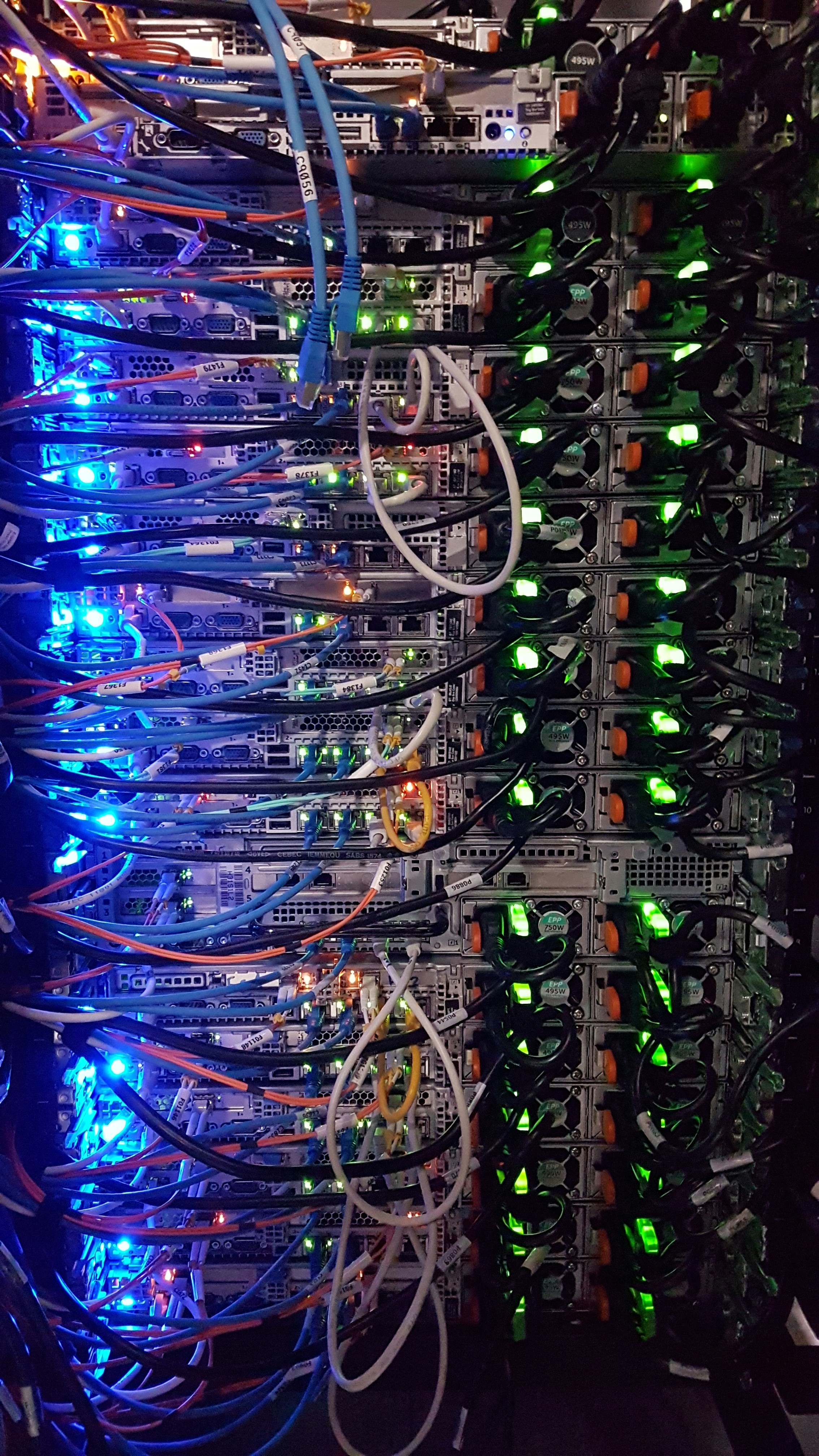
AI is reshaping global energy demand at a pace the grid cannot match. With interconnection delays stretching five to seven years, developers are turning to on-site natural gas reciprocating engines — and deploying them at unprecedented scale, with over 10 GW already in development.
Reciprocating engines are winning this market on technical merit. They deliver full power in seconds, deploy in months rather than years, and scale in modular 25 MW increments — a perfect match for the volatile load profiles of GPU-intensive AI workloads. But every engine deployed without methane abatement locks in decades of uncontrolled emissions that no carbon credit, offset program, or capture technology can address. For operators with net-zero commitments and 20-year asset lives, eliminating methane slip shold be a design-phase decision.
The first operators to eliminate methane slip will set the standard the rest of the industry follows. With methane abatement at a fraction of the cost of carbon offsets or clean energy premiums, early movers turn a climate liability into a durable competitive advantage — in permitting, in hyperscale contracts, and in every ESG conversation that follows.